

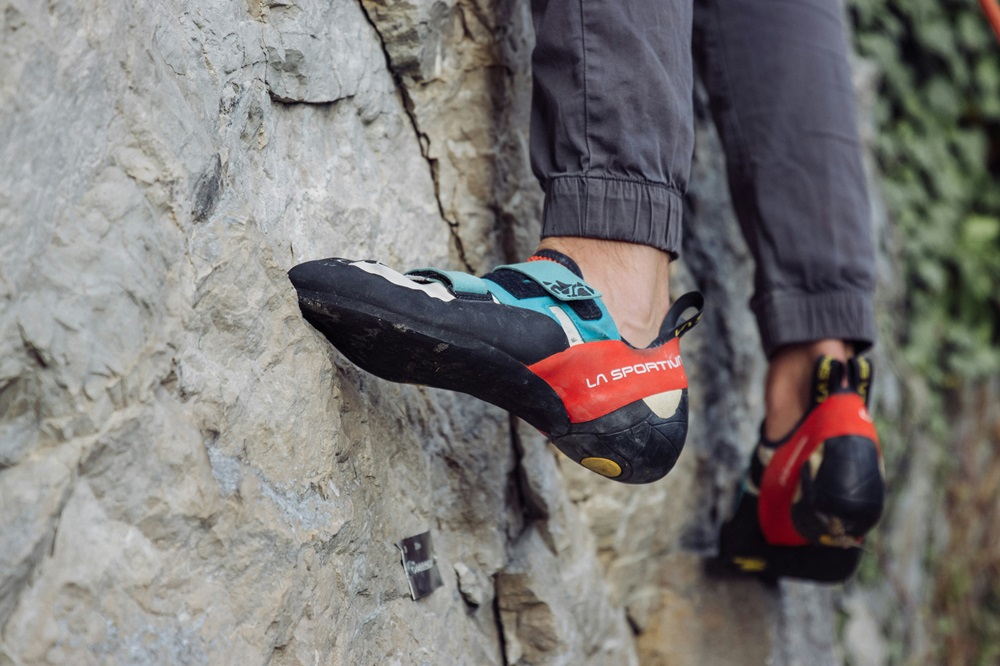
If you’ve spent years cycling through climbing shoes that almost fit, you’ll understand why finding top-rated climbing shoes that actually work for your foot feels like a small miracle.
One climber on Reddit put it perfectly: “It only took a decade, but I finally found the perfect climbing shoe for my foot, which makes me wonder if I picked the shoe or if my foot has been shaping itself for this moment all along.“
That line got a lot of people nodding.
The shoe everyone’s talking about
The shoe in question is the La Sportiva Solution. It’s a high-performance climbing shoe that has a loyal following for good reason. Climbers with a range of foot shapes keep coming back to it for the toe hooking, heel hooking, and friction it delivers on the wall.
One commenter put it this way: Solutions “meet my expectations of comfort, toe/heel hooking, and friction.” That’s a pretty strong endorsement from someone who had already worked through Rock Pillars, Miura Velcros, Cobras, Boreal Blades, Ocun Oxis, and a signed pair of Miuras before landing on the Solution.
Another climber with a Norwegian foot shape said the fit is “comfortable yet snug and precise,” with only a minor complaint about a small pocket over the toes. Small price to pay after years of searching.
Why finding the right shoe takes so long
Climbing shoes are personal in a way most gear isn’t. Your foot shape, toe length, width, and how your foot sits inside the shoe all matter. A shoe that works brilliantly for one person can be miserable for another.
Here are a few foot types that come up a lot in these conversations:
- Egyptian feet: Big toe is the longest, with each toe descending in size. Tends to work well in narrower shoes like the TN Pro, though the big toe can feel bunched at first.
- Norwegian feet: Second toe is the longest. The Solution fits this shape well, according to multiple climbers.
- Wide feet: Some shoes feel great everywhere except in width. This is where break-in period and sizing down matters.
One climber who wears a 40 Euro street size went with a 39 in the TN Pro after advice from a shop assistant. His verdict after a month of regular sessions: “That advice worked out for me, but I don’t think it stretched half a size up. Maybe a third or a quarter.”
That’s the kind of specific, honest feedback that actually helps.
Breaking in your climbing shoes
Climbing shoes are supposed to be snug. They’re not supposed to be comfortable the way your regular shoes are. But there’s a difference between productive snugness and actual pain.
A few things worth knowing about break-in:
- Leather and synthetic shoes stretch differently. Leather tends to stretch more.
- Downsizing by half a size or a full size is common, but get advice based on your specific foot shape.
- Shoes that cause sharp pain on the first wear rarely improve enough. Discomfort is expected. Pain that stops you from climbing is a red flag.
- Some shoes, like the Scarpa Instinct VSR, have interior stitching that creates hotspots. Worth checking before you commit.
Crack climbing vs. face climbing
If you’re getting into crack climbing, the shoe choice changes. The La Sportiva TC Pro and the Mythos come up often as good starting points. They have more padding over the big toe knuckle, which you’ll need when you’re jamming your foot into a crack repeatedly.
As one commenter put it: “Going with Katanas allows you to do face climbing and moderate overhanging moves as you progress to harder and harder routes.” Katanas are more for experienced crack climbers who want precision on smaller seams.

FAQ
How do I know if a climbing shoe fits correctly?
Your toes should be slightly curled with no dead space at the tip. The heel should feel secure without slipping. A little discomfort is normal, but you should be able to wear them for at least a few minutes without wanting to pull them off immediately.
How long does it take to break in climbing shoes?
It depends on the material and how often you climb. Most shoes start feeling better after 4 to 8 sessions. Leather shoes tend to take longer but mold more closely to your foot over time.
Should I size down in climbing shoes?
Often yes, especially for performance shoes. How much depends on the shoe and your foot shape. Talking to someone at a climbing shop who can watch you try them on is worth the time.
Can I resole climbing shoes?
Yes. Resoling is cheaper than buying new and extends the life of a shoe that fits well. Once you find a shoe that works for your foot, resoling is a good habit to get into.
What’s the difference between a beginner and an advanced climbing shoe?
Beginner shoes are flatter and more comfortable for long sessions. Advanced shoes have more aggressive downturn and asymmetric shapes for better precision on small holds. Start flat, then move to more aggressive shoes as your technique develops.