

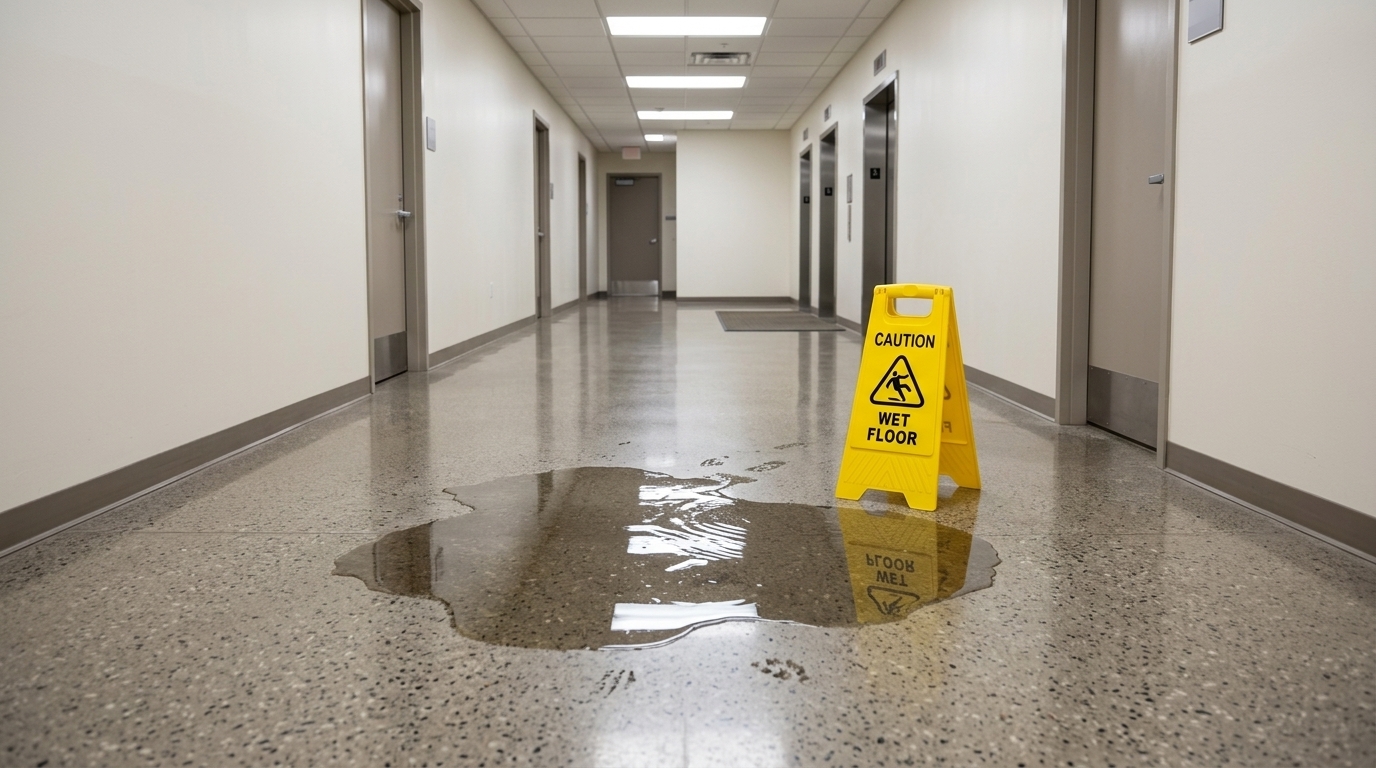
Slip and fall claims are not proven simply by showing that someone fell on another person’s property. In New York, the injured person usually needs evidence showing that a dangerous condition existed, that a responsible party created it or had notice of it, and that the hazard caused the injury. People researching fall-related legal options may review guidance from slip and fall attorneys near me resources to understand how negligence, evidence, and property responsibility are generally evaluated.
Quick Answer
To prove negligence in a slip and fall claim, the injured person generally needs to show that the property owner, tenant, business, contractor, or other responsible party had a duty to keep the area reasonably safe, breached that duty, caused the fall, and created measurable damages. Evidence may include photos, videos, incident reports, witness statements, maintenance logs, inspection records, medical records, weather records, and proof of lost income.
Key Takeaways
- A fall on someone else’s property does not automatically prove negligence.
- The injured person usually needs evidence of a specific dangerous condition.
- Notice is often a major issue in slip and fall claims.
- Photos, video footage, witness details, and incident reports should be preserved quickly.
- Medical records help connect the fall to the injury.
- Public property claims may involve shorter notice deadlines.
- New York comparative negligence rules may reduce damages if the injured person is partly at fault.
What Does Negligence Mean in a Slip and Fall Claim?
Negligence means that a person or business failed to use reasonable care under the circumstances. In a slip and fall claim, negligence usually involves a dangerous condition on property that should have been repaired, cleaned, warned about, or otherwise addressed.
A dangerous condition may include wet floors, spilled liquids, ice, snow, loose mats, broken stairs, poor lighting, uneven flooring, recently mopped surfaces without warning signs, leaking ceilings, greasy floors, debris, or slippery entryways.
However, the existence of a hazard is only part of the claim. The injured person usually needs to connect the hazard to a responsible party. That may require proof of ownership, occupancy, control, maintenance duties, inspection routines, or notice of the condition.
The Four Main Elements of Negligence
Most slip and fall claims are built around four main elements: duty, breach, causation, and damages. Each element must be supported by evidence.
Duty of care
Duty means the responsible party had an obligation to keep the area reasonably safe. A grocery store may have a duty to inspect aisles. A landlord may have a duty to maintain common areas. A business may have a duty to address wet entryways during bad weather. A property manager may have a duty to correct hazards in parking lots, stairs, hallways, or walkways.
The duty depends on the property type, the injured person’s reason for being there, local law, lease agreements, maintenance contracts, and who controlled the area.
Breach of duty
A breach occurs when the responsible party fails to meet the duty of care. Examples may include failing to clean a spill, ignoring repeated complaints, not fixing a known leak, failing to salt an icy entrance, using unsafe floor mats, or not inspecting a high-traffic area.
A breach can also involve poor warning practices. For example, if a floor was freshly mopped but no warning sign was placed, the lack of warning may become part of the claim.
Causation
Causation means the unsafe condition caused the fall and injury. It is not enough to show that a dangerous condition existed somewhere on the property. The evidence should show that the injured person fell because of that specific hazard.
This is why photos, video footage, witness statements, footwear details, medical records, and incident reports can matter. They help connect the fall to the condition.
Damages
Damages are the losses caused by the injury. These may include emergency care, medical bills, physical therapy, surgery, lost wages, reduced earning ability, pain, limited mobility, scarring, permanent impairment, and loss of daily function.
A claim with clear liability but little documented injury may be valued differently from a claim involving surgery, long-term treatment, or permanent limitations.
Why Notice Is So Important
Notice is one of the most important parts of a slip and fall claim. A responsible party may be liable if they created the dangerous condition, actually knew about it, or should have known about it through reasonable inspection.
Actual notice means the responsible party knew about the hazard. For example, an employee may have been told about a spill, a tenant may have complained about a leaking ceiling, or a manager may have seen ice near an entrance.
Constructive notice means the hazard existed long enough that the responsible party should have discovered it. This may depend on how visible the condition was, how long it existed, inspection routines, cleaning logs, maintenance records, surveillance footage, and witness testimony.
A claim is often stronger when the injured person can show that the hazard was not sudden or unavoidable. If the dangerous condition was present for a meaningful period, the responsible party may have had time to fix it or warn visitors.
Common Slip and Fall Hazards
Slip and fall claims can arise from many property conditions. The type of hazard affects what evidence should be collected.
Common hazards include:
- Wet floors
- Spilled liquids
- Snow and ice
- Recently mopped floors
- Grease or oil
- Loose rugs or mats
- Broken tile
- Uneven flooring
- Poor lighting
- Leaking ceilings
- Water tracked in from rain or snow
- Slippery stairs
- Unmarked floor transitions
- Debris in walkways
- Unsafe entryways
- Parking lot surface hazards
Different hazards require different proof. A wet floor inside a store may require cleaning logs and surveillance footage. An icy walkway may require weather records and snow removal logs. A fall on stairs may require photos, measurements, lighting evidence, and maintenance records.
Who Can Be Responsible for a Slip and Fall?
The responsible party is not always obvious. A person or business may be responsible because they owned the property, controlled the area, occupied the space, maintained the walkway, performed cleaning work, or created the hazard.
Potentially responsible parties may include:
- Property owners
- Commercial tenants
- Landlords
- Grocery stores
- Restaurants
- Retail stores
- Apartment complexes
- Property management companies
- Maintenance contractors
- Cleaning companies
- Snow removal contractors
- Parking lot operators
- Municipalities or public entities
Responsibility often depends on control. A landlord may own the building, but a tenant may control the store area. A property owner may hire a contractor to handle snow removal. A business may lease space inside a shopping center. Contracts, leases, maintenance agreements, and inspection records can help identify who had responsibility.
Evidence That Can Help Prove Negligence
Evidence should be preserved as soon as possible because fall hazards often disappear quickly. Floors are cleaned, warning signs are moved, video is overwritten, ice melts, mats are replaced, and repairs are made.
Helpful evidence may include:
- Photos of the exact hazard
- Wide-angle photos showing the surrounding area
- Video footage from security cameras
- Witness names and contact details
- Incident reports
- Cleaning logs
- Inspection records
- Maintenance records
- Snow and ice removal records
- Weather records
- Prior complaints
- Medical records
- Photos of shoes and clothing
- Receipts showing time and location
- Proof of lost wages
- Communications with property owners or insurers
People organizing a claim may benefit from reviewing how evidence for injury claims is typically used to connect an accident, injury, and damages.

Why Photos and Videos Matter
Photos and videos can show the condition before it changes. A strong photo set usually includes both close-up and wide-angle images. Close-up photos show the hazard. Wide-angle photos show where the hazard was located and how a person would encounter it while walking.
Useful photos may show:
- The liquid, ice, grease, debris, or unsafe flooring
- Warning signs or lack of warning signs
- Lighting conditions
- Stairs, handrails, mats, or entryways
- Nearby shelves, doors, counters, vehicles, or landmarks
- Footwear worn during the fall
- Visible injuries
- Weather conditions, when relevant
Video footage may be even more important. It may show how long a spill existed, whether employees walked past it, whether warning signs were placed, whether the injured person slipped because of the hazard, or whether the property owner cleaned the area after the fall.

Incident Reports and Witness Statements
An incident report can create a written record close to the time of the fall. If a fall happens in a store, restaurant, apartment building, workplace, parking lot, or public facility, the injured person should ask whether an incident report can be created.
The report may include the date, time, location, hazard description, employee names, witness names, and injury details. A copy should be requested if possible.
Witnesses can also be important. A witness may have seen the fall, noticed the hazard before the fall, complained about the condition, or seen an employee ignore the danger. Witness contact information should be collected quickly because witnesses may be hard to locate later.
Medical Records and Injury Documentation
Medical records help prove the injury and connect it to the fall. They may show when treatment started, what symptoms were reported, what body parts were injured, what tests were ordered, and what treatment was recommended.
Common slip and fall injuries include:
- Wrist fractures
- Hip fractures
- Shoulder injuries
- Knee injuries
- Ankle injuries
- Back injuries
- Neck injuries
- Concussions
- Torn ligaments
- Facial injuries
- Dental injuries
- Scarring
- Chronic pain
Delays in treatment can create disputes. An insurance company may argue that the injury was unrelated, pre-existing, or not serious. Prompt and consistent medical care can help document the connection between the fall and the injury.

Store and Business Slip and Fall Claims
Falls in stores and businesses often involve wet floors, spilled products, loose mats, broken flooring, poor lighting, cluttered aisles, or unsafe entrances. These cases may depend on inspection routines and how long the hazard existed.
For example, a grocery store spill may require surveillance footage, cleaning schedules, employee statements, incident reports, and proof of how long the spill was on the floor. A restaurant fall may involve grease, food debris, wet entryways, bathroom conditions, or poor floor maintenance.
A business may argue that the hazard appeared moments before the fall. The injured person may need evidence showing that the condition existed long enough to be discovered or that the business created it.
Snow, Ice, and Wet Weather Falls
Winter and wet weather falls can be complicated because conditions change quickly. Snow can be shoveled, ice can melt, rainwater can be mopped, and entryway mats can be moved.
In snow and ice cases, weather timing may matter. A property owner may argue that a storm was ongoing or that the hazard formed too recently. The injured person may respond with evidence showing that the storm had ended, the ice had existed for a longer period, snow removal was performed carelessly, or a recurring drainage problem caused refreezing.
The National Weather Service winter safety guidance provides general public information about winter hazards. In a legal claim, more detailed local weather records may be needed to understand conditions near the accident location.
Sidewalk and Public Property Falls
Sidewalk and public property falls may involve special rules. In New York City, Administrative Code § 7-210 addresses the duty of certain abutting property owners to maintain sidewalks in a reasonably safe condition. Outside New York City, sidewalk responsibility may depend on local rules, property ownership, municipal law, and prior written notice requirements.
If the fall happened on public property, shorter deadlines may apply. New York’s General Municipal Law § 50-e generally requires a notice of claim within 90 days for certain tort claims against public corporations.
This can matter for falls on municipal sidewalks, public buildings, public parking lots, schools, parks, transit areas, or government-controlled property. Location should be documented carefully because the identity of the responsible party may affect the deadline.
Comparative Fault in Slip and Fall Claims
Property owners and insurance companies may argue that the injured person caused or contributed to the fall. They may claim the hazard was open and obvious, the injured person was distracted, footwear was unsafe, warning signs were visible, or the person failed to watch where they were walking.
New York’s Civil Practice Law & Rules § 1411 addresses comparative negligence. In general, fault assigned to the injured person does not automatically bar recovery, but it can reduce damages based on that person’s share of responsibility.
This makes evidence important. Photos, lighting conditions, video footage, witness statements, warning sign placement, and hazard visibility can all affect comparative fault arguments.
Deadlines for Slip and Fall Claims in New York
The deadline depends on the responsible party and the type of claim. The New York Courts statute of limitations timetable lists three years for many negligence-based personal injury claims.
However, claims against public entities may involve much shorter notice requirements. This is why injured people should not assume every slip and fall claim has the same deadline.
Deadlines are especially important when the fall happened on a sidewalk, public building, municipal parking lot, school property, bus stop, government facility, or other public location.
Common Mistakes That Can Weaken a Slip and Fall Claim
A claim may become harder to prove when evidence is not preserved. Some mistakes happen because the injured person is embarrassed, in pain, or unsure what to do.
Common mistakes include:
- Leaving without reporting the fall
- Not taking photos of the exact hazard
- Taking close-up photos without showing location context
- Waiting too long to seek medical care
- Not identifying witnesses
- Failing to request an incident report
- Throwing away footwear worn during the fall
- Ignoring insurer letters
- Posting about the accident on social media
- Accepting a quick settlement before the injury is fully understood
- Missing public entity notice deadlines
Avoiding these mistakes does not guarantee a specific result, but it can help preserve the facts needed to evaluate the claim.
When Legal Guidance May Be Useful
Legal guidance may be useful when a fall caused serious injury, the property owner denies responsibility, the condition changed quickly, surveillance footage may be overwritten, or the case involves public property.
People comparing local legal resources may review a Farmingdale legal office location when researching Long Island fall claim information. For broader claim support, personal injury lawyers near me resources can also help readers understand how slip and fall claims fit within personal injury law.
FAQs About Proving Negligence in Slip and Fall Claims
Is a property owner automatically liable after a slip and fall?
No. A property owner is not automatically liable just because someone falls. The injured person usually needs evidence showing a dangerous condition, responsibility for the area, notice or creation of the hazard, causation, and damages.
What is the most important evidence in a slip and fall claim?
Important evidence may include photos, videos, incident reports, witness statements, cleaning logs, inspection records, maintenance records, medical records, footwear photos, weather records, and proof of lost income. The most important evidence depends on the type of hazard.
How can someone prove a store knew about a spill?
Evidence may include surveillance footage, employee statements, cleaning logs, prior complaints, witness testimony, or proof that the spill existed long enough to be discovered through reasonable inspection. Each case depends on timing and available records.
What if the injured person was partly at fault?
New York comparative negligence rules may allow recovery even if the injured person shares some fault. However, damages may be reduced based on the percentage of responsibility assigned to the injured person.
How long does someone have to file a slip and fall claim in New York?
Many negligence-based personal injury claims in New York generally have a three-year statute of limitations. However, public property claims may require much earlier notice, including a possible 90-day notice of claim requirement.
Final Thoughts
Proving negligence in a slip and fall claim requires clear evidence of the hazard, responsibility, notice, causation, and damages. The strongest claims usually include early photos, witness information, incident reports, medical records, and documentation showing who controlled or maintained the area. Because hazards can disappear quickly and deadlines can vary, careful documentation after the fall is one of the most important parts of protecting the claim.